



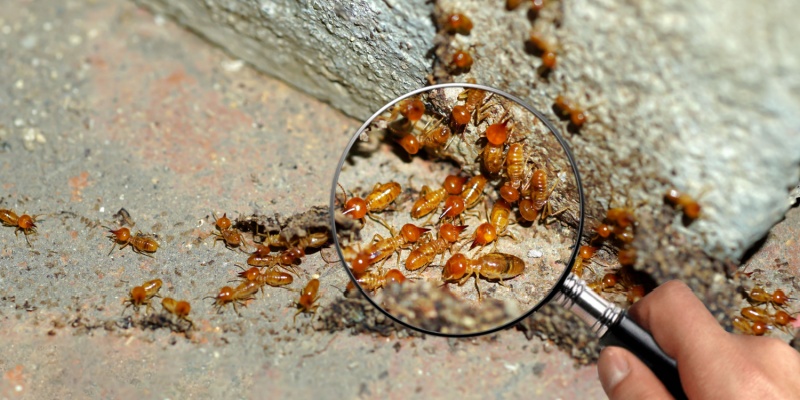
Scheduling a professional termite inspection in Salinas is one of the smartest moves a homeowner can make. Termites are experts at staying hidden, and by the time damage becomes visible, the problem is often advanced. Knowing what to expect during a termite inspection helps you understand how inspectors uncover issues and protect your home.
1. The Inspector Reviews Your Property History
The first stage of a professional termite inspection isn’t just about looking at your home — it’s about listening. Inspectors begin by asking questions about your property’s age, construction materials, and any past pest issues. This background helps them anticipate where termites might be most likely to strike.
They’ll also want to know about recent renovations or water damage, since termites are drawn to damp, softened wood. Even small leaks under sinks or in crawl spaces can create the perfect environment for colonies to thrive. By gathering this history, inspectors can tailor their approach to your home’s specific risk factors.
Finally, inspectors often review exterior conditions such as landscaping, soil type, and drainage. Homes with heavy vegetation or poor water runoff are more vulnerable, and this context allows them to focus on areas where termites are most likely to gain entry.
2. A Thorough Visual Examination
Once the background is established, the inspector begins a systematic walkthrough of your property. They’ll move room by room, checking baseboards, window frames, and doorways for subtle signs of termite activity. Hollow-sounding wood, blistered paint, or faint clicking noises inside walls can all indicate hidden colonies.
The exterior inspection is equally important. Inspectors carefully examine foundations, siding, and areas where wood meets soil. Mud tubes — the narrow tunnels termites build to travel safely — are a telltale sign. Even if no live termites are visible, these tubes reveal that a colony is active nearby.
In addition, inspectors pay close attention to moisture-prone areas such as bathrooms, kitchens, and laundry rooms. Termites thrive in damp conditions, so plumbing leaks or condensation can quickly become hotspots for infestation. This thorough visual check ensures no corner of your home is overlooked.
3. Specialized Detection Tools Are Used
Visual inspections are powerful, but termites are experts at staying hidden. That’s why professionals rely on specialized tools to confirm suspicions and uncover activity behind walls or under floors. Moisture meters, for example, detect damp areas where termites are most likely to feed and nest.
Infrared cameras are another valuable resource. By measuring heat patterns, they can reveal termite clusters that aren’t visible to the naked eye. This non-invasive technology allows inspectors to pinpoint infestations without damaging your property.
Finally, probing tools are used to test the integrity of wood. If beams or joists crumble under light pressure, it’s a strong indicator of termite damage. These advanced methods make the pest inspection process in Salinas far more accurate, ensuring homeowners receive a clear picture of their property’s condition.
4. Key Areas Are Closely Inspected
Certain parts of the home are more prone to infestation, and inspectors devote extra time to these areas because they often reveal the earliest signs of termite activity:
- Wooden beams and joists: Inspectors tap or probe these structural supports to check for hollow sounds or weakened wood. Termites often feed inside beams, leaving the surface intact but compromising strength.
- Crawl spaces and basements: Dark, damp environments are ideal for colonies. Inspectors look for mud tubes along walls or joists, as well as excess moisture that could attract termites.
- Attics and roof supports: Even elevated areas aren’t safe. Termites can travel upward through walls, so inspectors check rafters and trusses for damage that could weaken the roof’s integrity.
- Exterior walls in contact with soil: Where wood meets the ground, termites have direct access. Inspectors examine siding, foundation edges, and porch posts for entry points or feeding activity.
- Garages and storage areas with moisture buildup: Cardboard boxes, stored firewood, and untreated lumber are prime food sources. Inspectors check these spaces for both active termites and conditions that encourage infestation.
By focusing on these vulnerable zones, inspectors ensure that no hidden colony goes unnoticed. This careful attention is what makes termite detection in Salinas effective, giving homeowners a clear picture of where their property is most at risk.
5. Findings Are Explained Clearly
Once the inspection is complete, the professional shares their observations in detail. Homeowners don’t just receive a vague report — they get a clear breakdown of what was discovered, what it means, and what steps should follow.
Inspectors typically highlight:
- Evidence of active termites: This could include live insects, mud tubes along the foundation, or wood that crumbles when probed. These findings confirm that a colony is currently feeding on your property.
- Signs of past activity: Areas where termites were once present, such as old mud tubes or damaged wood that is no longer active. Knowing this helps you understand whether your home has been vulnerable before and may still be at risk.
- Structural vulnerabilities: Moisture-prone zones, cracks in foundations, or untreated wooden beams that provide easy access for termites. For example, a leaky pipe under the house or soil directly touching siding can create ideal conditions for infestation.
- Risk level assessment: Inspectors often classify your home’s risk as high, moderate, or low. A high-risk home might have multiple moisture issues and untreated wood, while a low-risk home may show no activity but still require preventive monitoring.
- Recommended treatments: Depending on the severity, this could range from localized spot treatments to full-property soil or barrier applications. The inspector explains which option best suits your situation and why.
- Preventive measures; Practical steps such as improving drainage around the foundation, sealing gaps in exterior walls, storing firewood away from the house, or scheduling routine monitoring. These actions reduce the chance of future infestations.
By the end of this stage, you’ll know exactly what was found and the steps needed to address or prevent termite issues, giving you a clear path forward for protecting your home.
6. A Customized Prevention Plan Is Offered
Finally, the inspector recommends steps to keep your home safe. This may include sealing entry points, reducing moisture, or scheduling routine monitoring. A professional termite exterminator in Salinas doesn’t just eliminate pests — they help you build long-term protection.
Turning those recommendations into action is what truly protects your property. When preventive measures are backed by expertise, your home isn’t just treated for termites — it’s secured against them for the future. That’s the role Target Pest Control has served for decades across Salinas and Monterey County, combining proven methods with eco-conscious solutions to keep homes and businesses safe. Contact Target Pest Control today to schedule your inspection and put a prevention plan in place that lasts.